
The $5 Trillion AI bet: When 3 companies own the future
What Happened
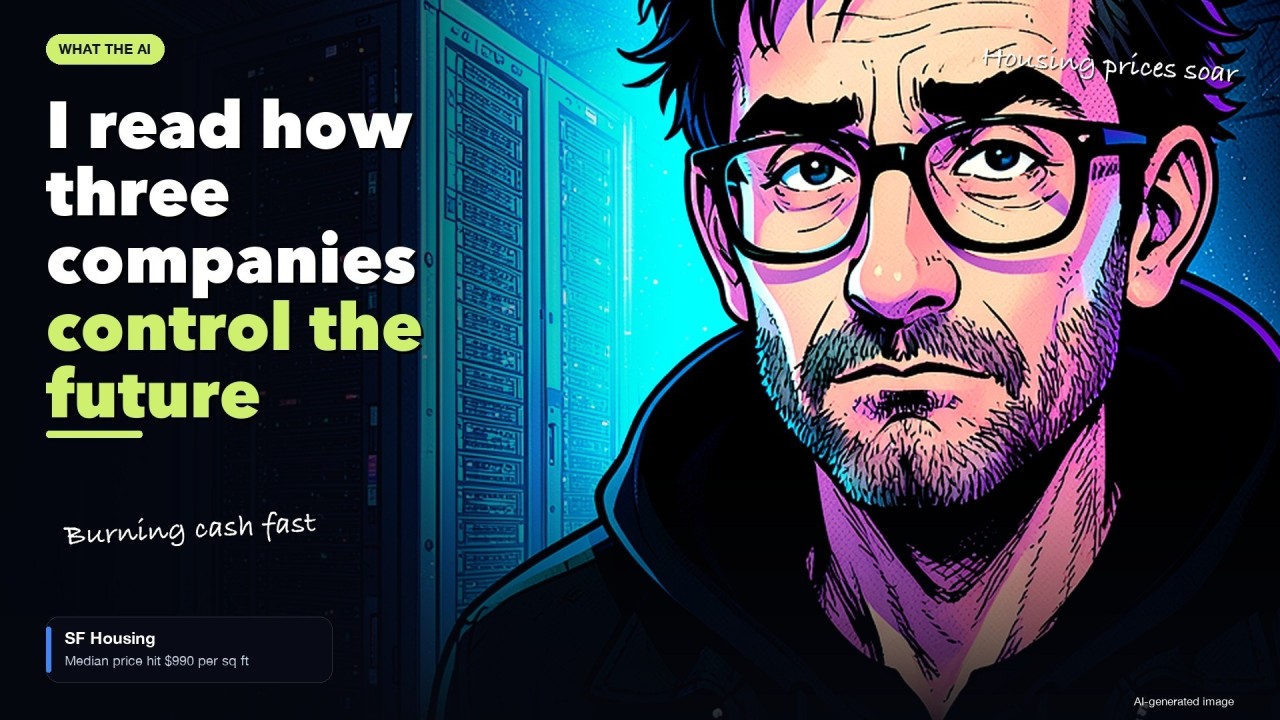
In 2026, the global financial landscape shifted as 3 AI giants - SpaceX, OpenAI, and Anthropic - moved to go public, collectively targeting a valuation exceeding $5.2 trillion. SpaceX listed on the Nasdaq in June with a market cap of almost $2.1 trillion, followed by Anthropic's November debut, targeting a valuation of about $2 trillion and opening at $111.50, and OpenAI's expected listing near $1 trillion next year. This wave represents the largest initial public offering in history, surpassing the combined first-day market value of 3,365 U.S. technology IPOs from 1980 to 2025, which totaled $4.07 trillion. While SpaceX and Anthropic have begun trading, OpenAI has delayed its public debut, citing market skepticism over its projected negative free cash flow of $278 billion through 2030.
Why It Matters
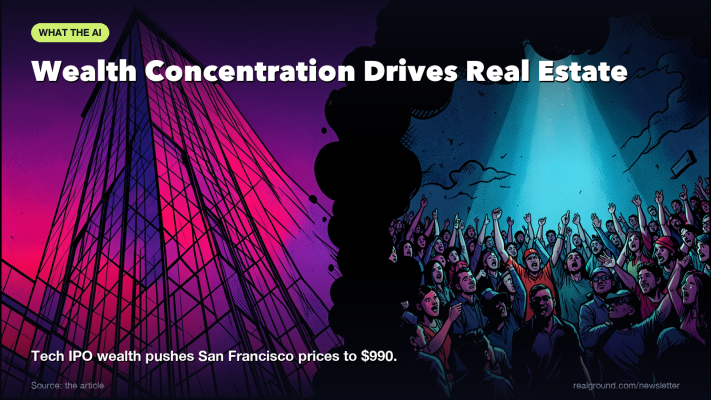
The concentration of capital in just three entities creates a structural shift where a handful of companies control the majority of global AI compute, data, and infrastructure. This concentration drives up asset prices in their immediate vicinity - for instance, San Francisco's median listing price per square foot hit $990 in October 2026, a direct reflection of the wealth generated by these IPOs and the demand for proximity to tech hubs. The financial implications extend beyond real estate, influencing political spending and research priorities. Elon Musk, having spent nearly $500 million on the 2026 midterms with little political return, illustrates how concentrated wealth attempts to buy influence, only to find that money cannot easily dictate election outcomes.
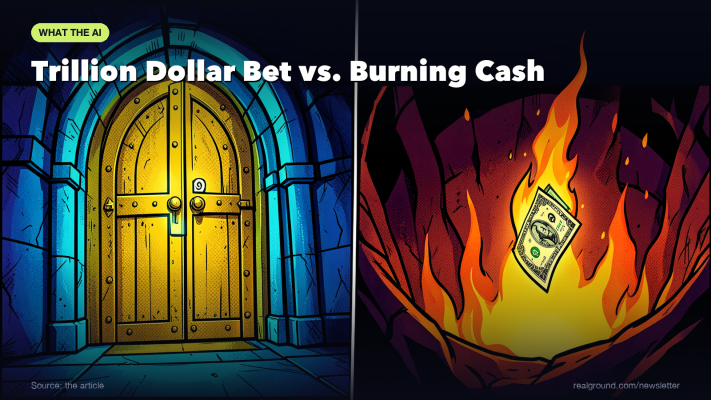
Furthermore, the "AI Bubble" question intensifies as these companies face the reality of public market scrutiny. Apollo Global Management's Torsten Slok warns that major tech firms must triple their cash flow by 2030 to sustain their infrastructure spending, or risk weakening the AI trade and slowing U.S. GDP growth. The stakes are high: if these companies fail to generate the projected revenue, the resulting credit spread widening could have systemic consequences. Meanwhile, philanthropy is shifting from cash donations to "compute donations," where billionaires like Jensen Huang and the founders of Anthropic are funding university research and medical centers with access to expensive GPU infrastructure rather than just money.
What Others Are Saying
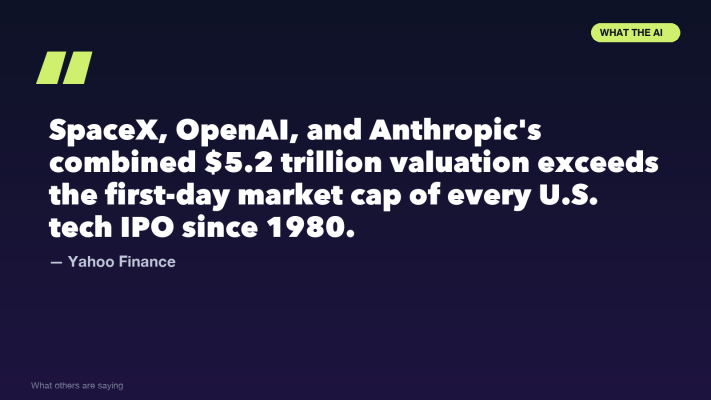
SpaceX, OpenAI, and Anthropic's combined $5.2 trillion valuation exceeds the first-day market cap of every U.S. tech IPO since 1980.
If this doesn't happen, then the risk is that the AI trade weakens, with credit spreads widening, capex plans getting cut and ultimately US GDP growth slowing.
I feel pretty foolish about having spent so much money and not seeing much for it... It certainly shows that American elections are not just about money. - Elon Musk
Anthropic... has launched its own directed science effort, focusing on areas including quantum mechanics and protein design... The IPO might also unleash a historic wave of philanthropy
How This Will Play Out
The next few years will likely see a bifurcation in the tech sector: those with sufficient cash flow to survive public scrutiny and those that collapse under the weight of their infrastructure costs. We may see a wave of "compute philanthropy" where university research and medical centers become dependent on private sector compute grants, creating a new form of academic patronage. Politically, the failure of Musk's $500 million spending spree suggests that wealth concentration does not automatically translate to policy control, potentially leading to more aggressive regulatory scrutiny of these firms. If the projected revenue targets are not met by 2030, the market could correct sharply, forcing a consolidation of the remaining players or a shift toward more profitable, specialized AI applications rather than broad, unprofitable infrastructure bets.
Here is the uncomfortable truth we are staring at: we have built a financial system where 3 companies are valued higher than the entire history of tech IPOs combined, yet they are burning cash at a rate that makes the dot-com bubble look like a savings account. As 24/7 Wall St. notes, 'It is a $5.2 trillion bet on the future - but the profitability math is terrifying.' OpenAI projects $278 billion in negative free cash flow from 2026 through 2030, and Anthropic won't reach positive cash flow until 2028.
🫤 Dileep's Skeptical Takeaway
The concentration of wealth is so extreme that it distorts reality. San Francisco housing prices are at $990 per square foot, driven by the hope of working for these companies. The "compute philanthropy" model is a clever way to keep the money in the ecosystem, but it creates a dependency. Universities are no longer independent research hubs; they are now waiting rooms for private sector compute grants. It is a new form of feudalism, where the lords own the land, the water, and the tools, and the scholars are just tenants. The real question is not whether these companies will succeed, but whether the rest of the economy can survive their failure. If they stumble, the ripple effects could be catastrophic, not just for investors, but for the very fabric of how we fund science, politics, and housing.
Sources
Enjoying What the AI?
Get a new edition every week, plus join the conversation on LinkedIn.
Subscribe on LinkedIn